Safaris in Hluhluwe-Imfolozi
Surrounded by the rolling hills of KwaZulu-Natal, Hluhluwe-Imfolozi is one of South Africa’s most historically significant and wildlife-rich safari destinations. Although it sits in the shadow of well-known reserves like Kruger National Park, a safari in Zululand offers a deeply rewarding and often more intimate bush experience, one that combines outstanding ‘Big 5’ game viewing with extraordinary marine and coastal wildlife encounters found nowhere else in the country.
Where can you go on safari in the Hluhluwe-Imfolozi region?
The region encompasses a variety of exceptional parks and private reserves, each offering its own distinct character and wildlife experience. These include:
Hluhluwe-Imfolozi Park
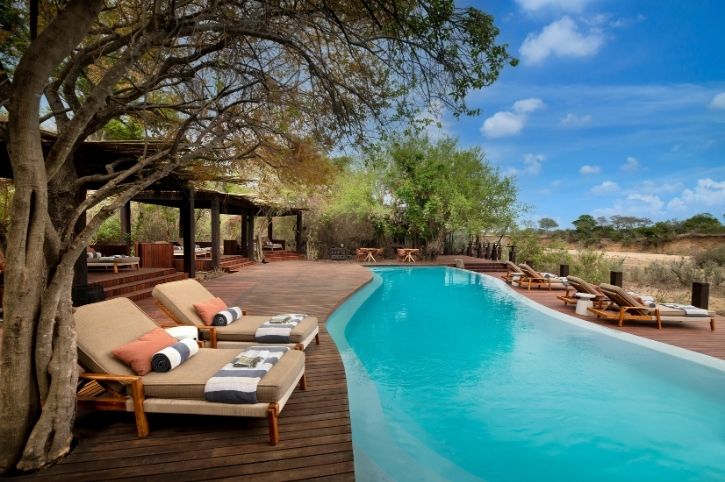
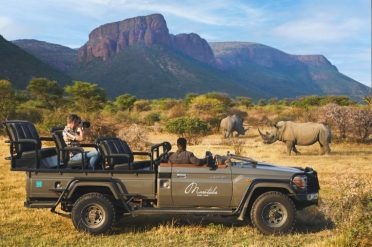
Africa’s oldest proclaimed nature reserve, covering nearly 96,000 hectares of dramatic Zululand wilderness. The park is home to all of the ‘Big 5’ and is world-renowned for its white rhino conservation programme. Game drives and guided bush walks are available, with accommodation options including luxury lodges and private tented camps, both within and on the borders of the park.
Phinda Private Game Reserve
One of South Africa’s most celebrated private reserves, &Beyond Phinda spans seven distinct habitats across 23,000 hectares, including rare sand forest, open woodland and wetland. Phinda is renowned for its exceptional guiding, its cheetah and black rhino populations, and its commitment to community conservation. Accommodation options include Phinda Forest Lodge, Phinda Mountain Lodge, and Phinda Vlei Lodge..
Manyoni Private Game Reserve
A remarkable conservation success story, Manyoni was formed through the consolidation of 18 former farmsteads into a single 23,000 hectare reserve, with fences removed to allow wildlife to roam freely across the landscape. The reserve is home to all of the ‘Big 5’ as well as cheetah, wild dog and a thriving black rhino population.
Thanda Private Game Reserve
An award-winning ‘Big 5’ reserve combining outstanding game viewing with a deep respect for Zulu cultural heritage. Thanda’s guides bring both the wildlife and the traditions of the Zulu people vividly to life, making for a safari experience with a genuine sense of place.
iSimangaliso Wetland Park
A UNESCO World Heritage Site stretching along 220 kilometres of pristine KwaZulu-Natal coastline, iSimangaliso is one of Africa’s most biodiverse ecosystems. The park encompasses ancient swamp forests, papyrus wetlands, coral reefs, turtle nesting beaches and open ocean, and offers a remarkable complement to a traditional bush safari.
What wildlife can you see in the Hluhluwe-Imfolozi region?
The region offers some of the most diverse wildlife viewing in South Africa. All of the ‘Big 5’, lion, leopard, elephant, buffalo and rhino are present across the parks and private reserves, alongside cheetah, wild dog, giraffe, hippo, crocodile, nyala, and a remarkable variety of antelope species. The area is also a stronghold for both white and black rhino, and represents one of the best places in Africa to see both species in the wild. Bird enthusiasts are exceptionally well catered for, with over 530 species recorded across the region. iSimangaliso adds an entirely different dimension to the wildlife experience, with humpback whales, leatherback and loggerhead turtles, whale sharks, dolphins and dugong all recorded in its coastal waters.
How do you get to Hluhluwe-Imfolozi?
The region is well served by air and road. Fly into Richards Bay Airport, which receives scheduled flights from Johannesburg and Cape Town, or into King Shaka International Airport in Durban, from where the park is approximately a two-and-a-half hour drive north along the N2 highway. Many of the private reserves, including Phinda, Manyoni and Thanda, have private airstrips that can be accessed by light aircraft transfers from Durban or Johannesburg.
Is the Hluhluwe-Imfolozi region malaria risk?
Unlike some of the more northerly safari destinations in South Africa, KwaZulu-Natal is classified as a low malaria risk area rather than a malaria-free zone. The risk is considered negligible during the cooler, drier winter months between May and September, and low during the warmer summer months. We recommend consulting your GP or a travel health clinic prior to travel, and taking sensible precautions, particularly during the summer season.
What is the best time to visit Hluhluwe-Imfolozi?
The region rewards visitors year-round, with each season offering its own highlights. The dry winter months between May and September are generally considered the best for game viewing, as vegetation thins out and animals congregate around rivers and waterholes, making them easier to spot. The summer months between October and February bring lush green landscapes, excellent bird watching and, on the iSimangaliso coastline, the remarkable annual spectacle of leatherback and loggerhead turtles coming ashore at night to nest on the same beaches where they were born decades earlier.
Get in Touch